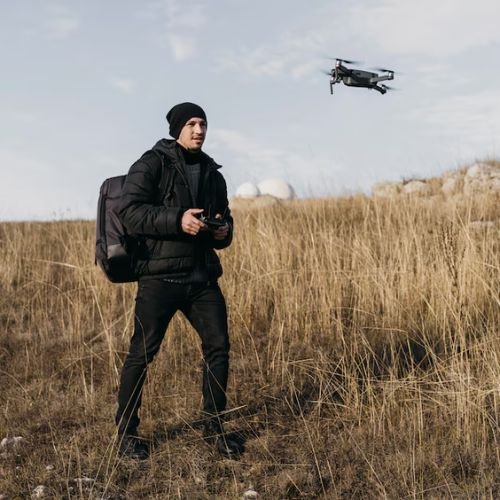

Drone photography has revolutionized the way we capture stunning aerial shots, making it essential to choose the right camera for breathtaking images and videos. Whether you’re a professional filmmaker, travel vlogger, or hobbyist, selecting a high-quality camera with excellent resolution, dynamic range, stabilization, and low-light performance is key. The best cameras for drone photography offer features like 4K or higher video recording, large sensors for sharp images, and advanced autofocus for smooth tracking. In this guide, we’ll explore the top camera options available for drone photography, helping you find the perfect match for your creative vision.
1. DJI Mavic 3– Best Drone Camera for Professional Photography
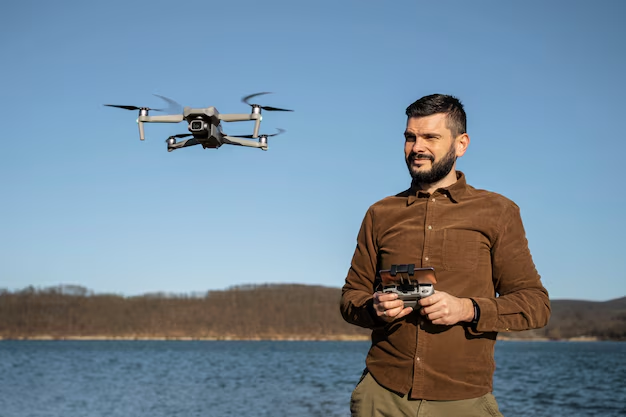
If you’re serious about aerial photography, the DJI Mavic 3 is often considered the best drone camera for photography thanks to its unmatched image quality and flight time.
Camera Specifications:
- Sensor: 4/3 CMOS (Hasselblad).
- Camera: 20MP, 5.1K video at 50fps.
- Lens: 24mm f/2.8-11.
- ISO: 100-6400.
- Gimbal: 3-axis.
- Flight Time: 46 minutes.
- Max Range: 15 km (9.3 miles).
Reasons to Buy:
- Excellent image quality with a large 4/3 CMOS sensor, perfect for low-light photography and high dynamic range.
- 5.1K video provides incredible detail for both video and stills.
- Long battery life and 360° obstacle avoidance for safety.
- Dual-camera system with Hasselblad sensor for stunning images.
- 46-minute maximum flight time.
- Industry-leading obstacle avoidance sensors.
- 5.1K video resolution.
- Excellent low-light performance.
- Advanced O3+ transmission system (up to 15 km).
- Smart Return-to-Home feature.
- Professional-grade stills and RAW capture.
- Compact and foldable design.
Reasons to Avoid:
- High price point.
- Complex features may overwhelm beginners.
- Requires strong licensing/registration in many countries.
- Large file sizes demand big storage.
- Limited zoom capabilities compared to EVO II.
- Batteries are expensive.
- Bulkier than entry-level drones.
- Firmware updates are sometimes required.
- Overkill for casual hobbyists.
2. DJI Air 2S – Compact Drone with Camera for Stunning Photography
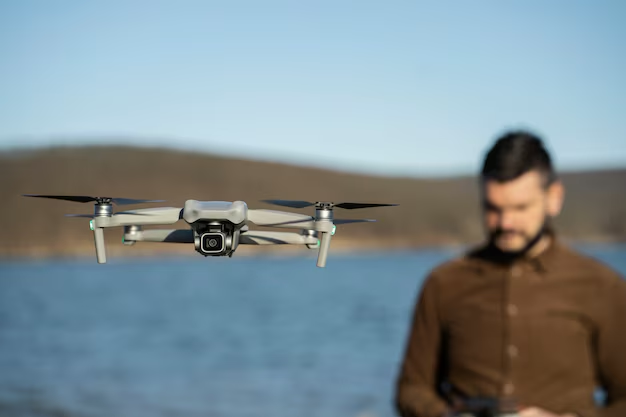
For those seeking the best drone camera for photography with balance between power and portability, the DJI Air 2S is a top contender.
Camera Specifications:
- Sensor: 1-inch CMOS.
- Camera: 20MP, 5.4K video at 30fps.
- Lens: 22mm f/2.8.
- ISO: 100-3200.
- Gimbal: 3-axis.
- Flight Time: 31 minutes.
- Max Range: 12 km (7.5 miles).
Reasons to Buy:
- 1-inch CMOS sensor for better low-light performance and dynamic range.
- 5.4K video captures ultra-detailed footage.
- Compact and portable design, ideal for travel.
- 1-inch CMOS sensor with 20MP stills.
- Shoots 5.4K video at 30fps.
- Compact, foldable, and travel-friendly.
- Intelligent flight modes (ActiveTrack, MasterShots).
- Reliable obstacle sensing.
- Excellent battery life (~31 minutes).
- Great value for money.
- Easy-to-use DJI Fly app.
- Strong wind resistance.
Reasons to Avoid:
- Limited side sensors for obstacle avoidance.
- No optical zoom, which can be a downside for certain shots.
- Less professional than Mavic 3.
- Limited optical zoom.
- Slightly shorter flight time.
- Not ideal for cinematic pros.
- Noise level is noticeable.
- Limited controller screen info.
- Accessories add extra cost.
- App requires frequent updates.
- No interchangeable lenses.
3. Skydio 2 – Smart AI-Powered Drone for Aerial Photography
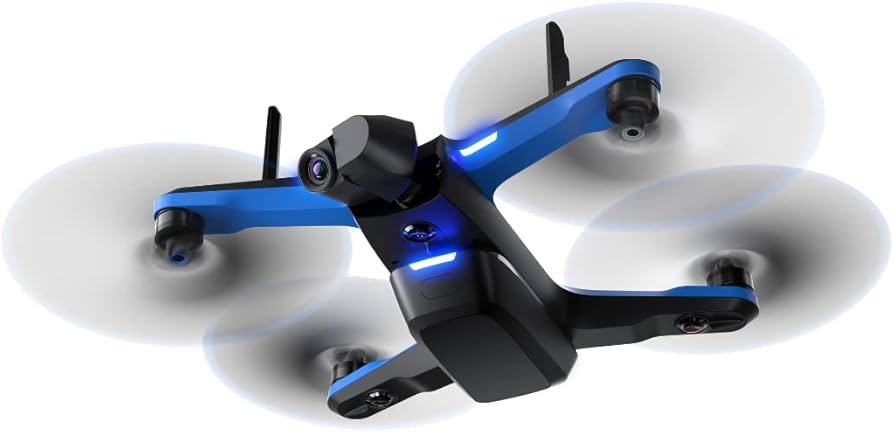
Known for its advanced autonomous flying, the Skydio 2 is a unique option for those who want the best drone camera for photography with hands-free tracking.
Camera Specifications:
- Sensor: 12MP camera with HDR.
- Camera: 4K video at 60fps.
- Gimbal: 3-axis (with automatic stabilization).
- Flight Time: 23 minutes.
- Max Range: 3.5 km (2.2 miles).
Reasons to Buy:
- Excellent autonomous flying capabilities with advanced obstacle avoidance (360° sensors).
- 4K HDR video ensures stunning dynamic range and clarity.
- Ideal for complex shots in dynamic environments like forests or urban areas.
- Best-in-class AI obstacle avoidance.
- Autonomous subject tracking.
- 4K60 HDR video quality.
- Extremely beginner-friendly.
- Strong build quality.
- Compact and portable.
- No need for advanced piloting skills.
- Great for action sports.
- Smooth footage even in complex environments.
Reasons to Avoid:
- Short battery life compared to other premium drones.
- Higher price compared to traditional drones with similar camera quality.
- Limited availability outside the US.
- Battery life shorter than DJI.
- Not ideal for pro-level photography.
- Accessories are costly.
- Limited manual camera controls.
- Range shorter than DJI drones.
- No advanced zoom.
- Payload options missing.
- App can feel restricted.
4. DJI Mini 3 Pro– Portable Drone with Camera for Creative Photography
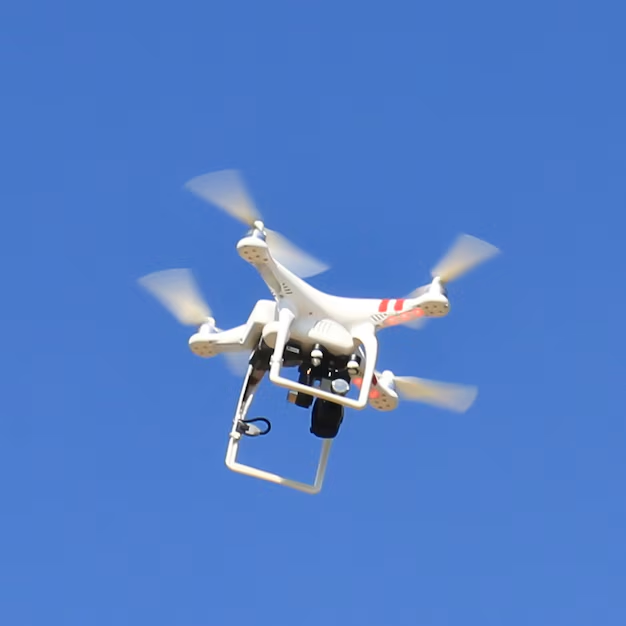
The DJI Mini 3 Pro is a small but powerful choice if you want the best drone camera for travel photography. Lightweight, portable, and perfect for quick aerial shots.
Camera Specifications:
- Sensor: 1/1.3-inch CMOS.
- Camera: 48MP stills, 4K HDR video at 60fps.
- Lens: 24mm f/1.7.
- ISO: 100-6400.
- Gimbal: 3-axis.
- Flight Time: 34 minutes.
- Max Range: 12 km (7.5 miles).
Reasons to Buy:
- 48MP camera allows for detailed still photography.
- 4K HDR video with smooth video stabilization.
- Lightweight and compact design, easy to carry and use for travel.
- Ultra-light & travel-friendly
- 4K HDR video + 48MP photos
- Vertical shooting for social media
- Up to 47 minutes of flight with an extra battery
- Smart obstacle avoidance
Reasons to Avoid:
- No side sensors for obstacle avoidance.
- Limited battery life compared to larger drones.
- Less stable in strong winds
- Shorter range than pro models
- Extra batteries are needed for long use
- No optical zoom
- Slightly costly for a mini drone
5. Autel Robotics EVO II Pro – Best Camera Drone for 6K Photography
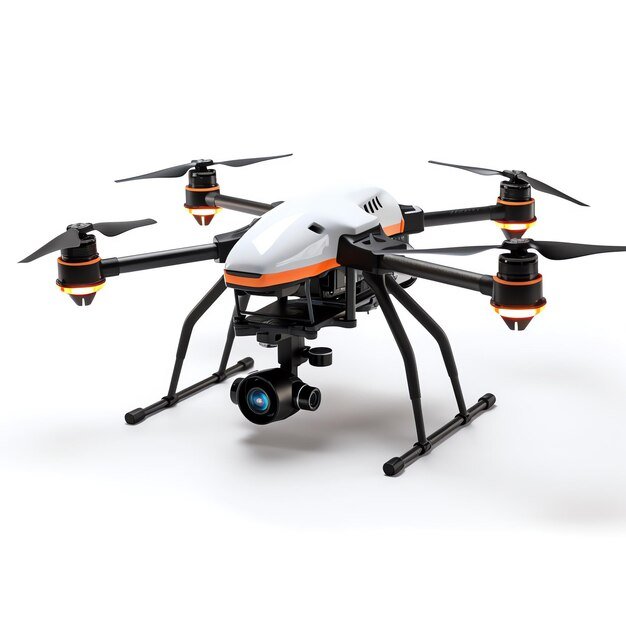
If zoom capability and versatility matter most, the EVO II Pro is a strong contender for the best drone camera for photography.
Camera Specifications:
- Sensor: 1-inch CMOS.
- Camera: 50MP, 8K video at 25fps.
- Lens: 28mm f/1.8.
- ISO: 100-6400.
- Gimbal: 3-axis.
- Flight Time: 40 minutes.
- Max Range: 9 km (5.6 miles).
Reasons to Buy:
- 50MP camera and 8K video for stunning clarity and detail in both photos and videos.
- Longer battery life and exceptional range compared to many drones in this class.
- Excellent image quality with precise color reproduction.
- 6K video shooting.
- 1-inch CMOS sensor.
- Adjustable aperture (f/2.8–f/11).
- Excellent low-light results.
- Strong transmission range.
- Obstacle avoidance in all directions.
- Robust flight performance.
- Long flight time (~40 mins).
- Great HDR capability.
Reasons to Avoid:
- Bulkier design compared to more compact models.
- More complex to operate for beginners.
- Bulkier design than Air 2S.
- Higher cost.
- Not as sleek a software as DJI.
- Updates can be slow.
- Lacks DJI ecosystem polish.
- Customer support is weaker.
- Less lesser-known brand globally.
- Accessories are not easily found.
- Overkill for casual flyers.
6. DJI Phantom 4 Pro V2.0– Classic Drone for High-End Photography
The Phantom 4 Pro V2.0 has been a long-time favorite among professionals looking for the best drone camera for photography with reliability and proven performance.
Camera Specifications:
- Sensor: 1-inch CMOS.
- Camera: 20MP, 4K video at 60fps.
- Lens: 24mm f/2.8.
- ISO: 100-6400.
- Gimbal: 3-axis.
- Flight Time: 30 minutes.
- Max Range: 7 km (4.3 miles).
Reasons to Buy:
- 1-inch CMOS sensor for professional-grade photography and video.
- Mechanical shutter reduces motion blur in fast-moving scenes.
- Advanced obstacle avoidance and intelligent flight modes.
- Large 1-inch 20MP sensor.
- Shoots 4K video at 60fps.
- Excellent mechanical shutter.
- Advanced 5-direction obstacle sensing.
- Rock-steady GPS positioning.
- Strong flight time (~30 mins).
- Reliable DJI ecosystem.
- Great for mapping and surveying.
- Crisp still images.
Reasons to Avoid:
- Bulkier and less portable than newer models.
- Higher price point due to the camera quality and flight features.
- Bulkier and not foldable.
- Outdated design compared to newer DJI models.
- Loud in flight.
- Batteries are expensive.
- Limited portability.
- Controller is large and heavy.
- May require licensing for commercial use.
- Limited smart modes compared to Mavic.
- Not beginner-friendly.
7. Parrot Anafi USA– Reliable Drone Camera for Photography & Mapping
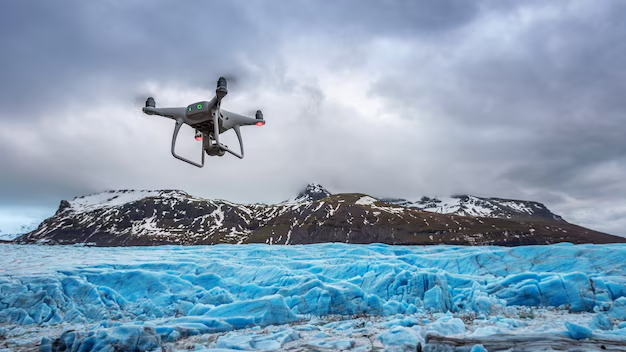
For those who want durability and zoom, the Parrot Anafi USA is marketed as one of the best drone cameras for photography in challenging environments.
Camera Specifications:
- Sensor: 32x zoom camera, 4K HDR.
- Camera: 32MP stills, 4K video at 60fps.
- Gimbal: 3-axis.
- Flight Time: 32 minutes.
- Max Range: 4.5 km (2.8 miles).
Reasons to Buy:
- 32x zoom camera for detailed shots from a distance.
- 4K HDR video provides rich detail and colors.
- Advanced camera with thermal imaging for special use cases.
- Rugged, military-grade design.
- 32x zoom camera.
- 4K HDR video capture.
- Lightweight and portable.
- Quick deployment time.
- Thermal imaging support (Pro models).
- Long battery life (~32 mins).
- Good wind resistance.
- Secure data transmission.
Reasons to Avoid:
- No 1-inch sensor, which limits low-light capabilities.
- Limited flight time compared to larger models.
- Very expensive compared to DJI.
- The camera is not as sharp as the Mavic 3.
- Limited accessories available.
- Fewer intelligent flight modes.
- Customer support is not as strong globally.
- Lacks an ecosystem like the DJI Fly app.
- App UI can feel outdated.
- Limited availability.
- Not ideal for casual hobbyists.
8. Yuneec Typhoon H Plus – Best Aerial Photography Drone for Creators
If stability and safety matter most, the Typhoon H Plus stands out as one of the best drone cameras for photography with six rotors for added reliability.
Camera Specifications:
- Sensor: 1-inch CMOS.
- Camera: 4K UHD, 12MP stills.
- Lens: 23mm f/2.8.
- Gimbal: 3-axis.
- Flight Time: 25 minutes.
- Max Range: 1.6 km (1 mile).
Reasons to Buy:
- 360-degree camera rotation for dynamic photography.
- Intel RealSense for obstacle avoidance and safe flying.
- Great for cinematographers who need a versatile camera.
- Six-rotor hexacopter design.
- 20MP 1-inch sensor.
- 4K video at 60fps.
- Stable even in strong winds.
- Retractable landing gear for full camera rotation.
- Intel RealSense obstacle avoidance.
- Multiple pilot modes.
- Professional-grade controller.
- Smooth cinematic shots.
Reasons to Avoid:
- Shorter flight time compared to others in the same price range.
- Not as portable as smaller models.
- Large and heavy to carry.
- Shorter flight time (~28 mins).
- Not as portable as foldable drones.
- Slower customer support.
- Expensive replacement parts.
- App interface less polished.
- Limited third-party accessories.
- Noise level is high.
- Lower brand recognition vs DJI.
9. Hubsan Zino 2 Pro– Budget-Friendly Drone Camera for Photography
For buyers on a budget, the Hubsan Zino 2 Pro is an affordable option that still ranks as one of the best drone cameras for photography in entry-level pricing.
Camera Specifications:
- Sensor: Sony IMX377.
- Camera: 4K UHD, 12MP stills.
- Lens: 16mm f/2.8.
- Gimbal: 3-axis.
- Flight Time: 33 minutes.
- Max Range: 8 km (5 miles).
Reasons to Buy:
- Affordable drone with 4K UHD camera for detailed imagery.
- Decent flight time and range for the price.
- 4K60 video shooting.
- 3-axis gimbal for smooth footage.
- Affordable compared to DJI.
- Decent flight time (~33 mins).
- Good GPS stability.
- Portable foldable design.
- Adjustable camera settings.
- Beginner-friendly.
- Strong controller range.
Reasons to Avoid:
- Basic obstacle avoidance compared to high-end models.
- Limited intelligent flight features.
- Not as reliable as premium drones.
- Image quality weaker than Mavic.
- Build quality feels less premium.
- Customer service limited.
- Fewer intelligent flight modes.
- App can be buggy.
- Limited support for spare parts.
- Noise in low-light photography.
- Firmware updates are inconsistent.
10. Ryze Tech Tello– Beginner-Friendly Drone for Casual Photography
If you’re just stepping into aerial photography, the Ryze Tello (backed by DJI technology) is often seen as the best drone camera for photography beginners.
Camera Specifications:
- Camera: 5MP, 720p HD video.
- Gimbal: Electronic stabilization.
- Flight Time: 13 minutes.
- Max Range: 100 meters (328 feet).
Reasons to Buy:
- Affordable and beginner-friendly.
- Compatible with VR headsets for an immersive flying experience.
- Very affordable entry price.
- Backed by DJI flight tech.
- Easy to fly for beginners.
- Lightweight and portable.
- Great for kids and students.
- Fun programmable features (coding support).
- Decent 13-minute flight time.
- Stable indoors and outdoors.
- Good for learning drone basics.
Reasons to Avoid:
- Basic camera quality with only 720p resolution.
- Short flight time and range.
- Camera limited to 5MP photos.
- No gimbal stabilization.
- Very short range.
- Weak in windy conditions.
- Not suitable for professional photography.
- Limited flight time.
- No 4K video support.
- Small battery capacity.
- More of a toy than a pro tool.
Conclusion:
Choosing the best camera for drone photography depends on your needs, whether it’s high-resolution stills, cinematic video, or low-light performance. Advanced options like 4K+ recording, large sensors, and superior stabilization ensure you capture stunning aerial shots with clarity and precision. Investing in the right camera will elevate your drone photography, allowing you to create professional-quality content. With the right gear, you can unlock endless creative possibilities and take your aerial photography to new heights.